For many homeowners, the heating, ventilation, and air conditioning (HVAC) system is the single largest consumer of energy in the house. In a climate like New England’s, where humid summers transition into bone-chilling winters, these systems work tirelessly to maintain a delicate balance of comfort. However, a system that is neglected or improperly calibrated can quickly become a financial drain, driving up utility bills while failing to provide consistent climate control. Improving your home’s energy efficiency isn’t just about buying the latest gadgets; it starts with optimizing the heavy-duty machinery already working behind your walls.Maintaining peak performance requires a combination of smart homeowner habits and professional intervention.
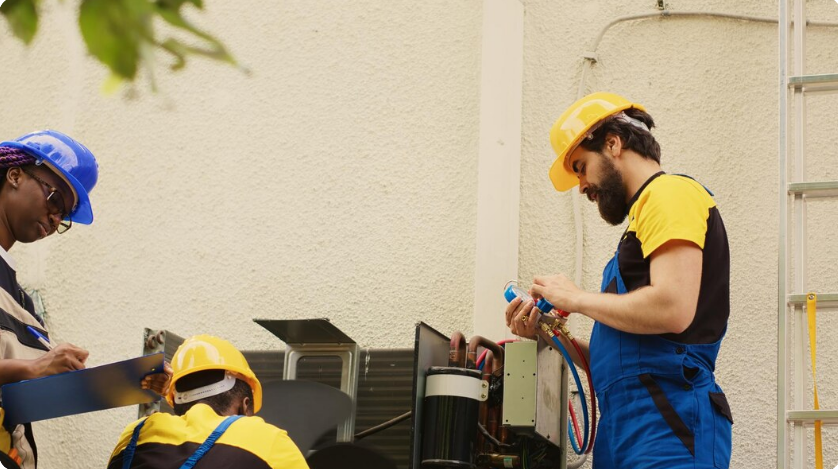
When you invest in expert HVAC services in Bloomfield, CT, you are doing more than just preventing a breakdown; you are ensuring that every kilowatt of electricity or gallon of heating oil is used as effectively as possible. A technician can perform a deep dive into your system’s mechanics, identifying friction points that force the unit to run longer cycles than necessary. From cleaning sensitive heat exchangers to recalibrating thermostats, these professional touches create a ripple effect of savings throughout the year.
The Impact of Routine Maintenance on Consumption
The efficiency of an HVAC unit is measured by how much “work” it can do per unit of energy. Over time, dust accumulation on evaporator coils and soot buildup in furnaces act as insulators, preventing efficient heat transfer. This means your system has to run for thirty minutes to achieve what a clean system could do in twenty. By prioritizing seasonal tune-ups, you effectively “reset” your system’s efficiency levels.During a standard maintenance visit, technicians check for refrigerant leaks and ensure that motors are properly lubricated. Friction is the enemy of efficiency; a motor that struggles to turn consumes significantly more power and generates excess heat, which further degrades the surrounding components. Comprehensive
HVAC services in Bloomfield, CT also include a thorough inspection of the electrical connections. Loose wires can cause voltage drops that force the system to pull more current, leading to higher bills and an increased risk of electrical failure.
Sealing the Gaps: Ductwork and Air Distribution
You could have the most expensive, high-efficiency furnace on the market, but if your ductwork is leaking, you are essentially paying to heat your attic or crawlspace. Air distribution is a frequently overlooked component of energy efficiency. Small gaps at the joints of your ducts can result in a 20% to 30% loss of conditioned air before it ever reaches your living room.
Testing for Static Pressure
Professional HVAC services often involve testing the static pressure within your ductwork. This ensures that the air is moving at the correct velocity to reach the furthest corners of your home. If the pressure is too high, it strains the blower motor; if it’s too low, the system runs longer to compensate for the lack of airflow. Sealing these leaks with specialized mastic or metal tape ensures that every bit of comfort you pay for actually reaches your family.
Smart Upgrades and Modern Technology
Beyond maintenance, modernizing specific components of your HVAC system can lead to dramatic improvements in energy usage. Today’s technology is focused on “intelligent” cooling and heating—systems that adapt to your lifestyle rather than running on a simple binary on/off switch.
- Smart Thermostats: These devices learn your schedule and adjust temperatures automatically when you are away or asleep, often paying for themselves in energy savings within the first year.
- Variable-Speed Motors: Unlike traditional motors that run at 100% capacity or not at all, variable-speed versions adjust their output to match the exact needs of the home.
- Zoned Cooling: This allows you to stop wasting energy on guest rooms or storage areas that aren’t currently in use.
- High-Efficiency Filtration: Using the correct MERV-rated filters protects the internal machinery from debris, keeping it running like new for longer.
Improving Indoor Air Quality for Efficiency
It may seem unrelated, but the quality of your indoor air directly affects how hard your HVAC system has to work. High humidity levels in the summer make the air feel warmer, often prompting homeowners to lower the thermostat more than necessary. Whole-home dehumidifiers can integrated into your existing HVAC setup to remove moisture efficiently, allowing you to feel comfortable at a higher temperature setting. Similarly, air purifiers reduce the amount of airborne particulate matter that would otherwise end up coating your system’s internal components.
To Conclude
True home energy efficiency is a holistic endeavor that centers on the health and performance of your HVAC system. By combining regular professional inspections with smart technological upgrades, you can significantly reduce your environmental footprint and your monthly expenses. Don’t wait for your system to fail during a heatwave or a blizzard; take a proactive stance on your home’s comfort today. A well-tuned system is the key to a sustainable, comfortable, and cost-effective household for years to come.