
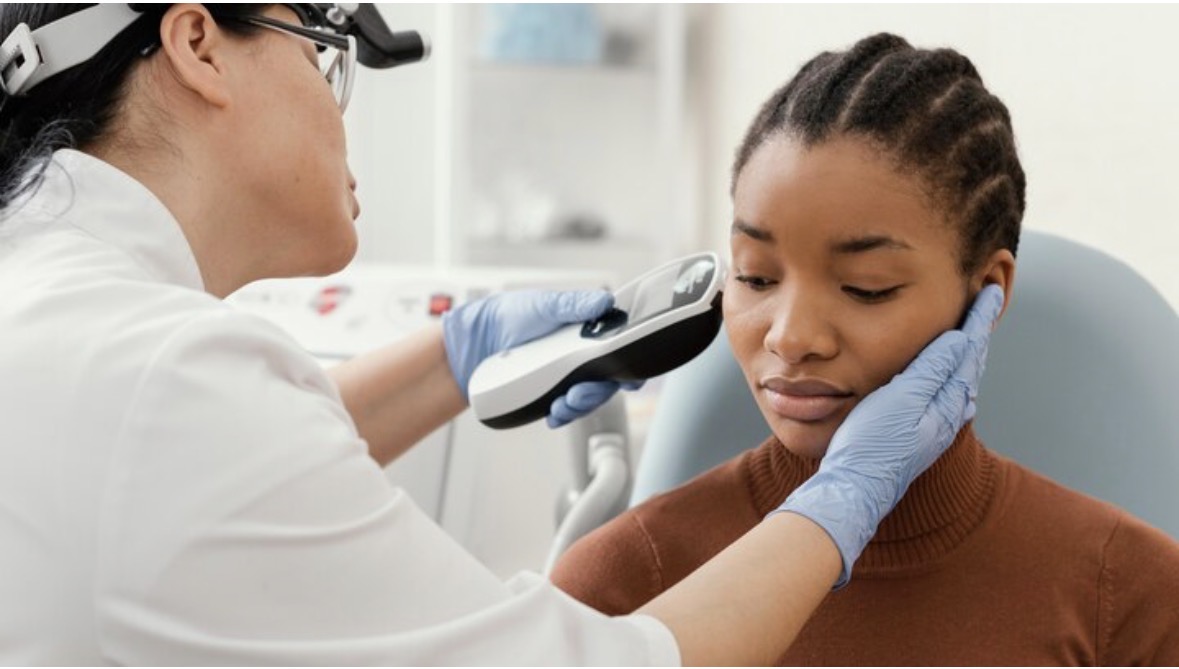
TMJ Disorder, or Temporomandibular Joint Disorder, is a condition that affects the joint connecting the jaw to the skull. This joint, known as the temporomandibular joint (TMJ), plays a crucial role in everyday activities such as chewing, speaking, and yawning. When the TMJ becomes inflamed, damaged, or misaligned, it can lead to discomfort, pain, and difficulty performing basic jaw movements, significantly impacting daily life.
Causes of TMJ Disorder
TMJ Disorder can develop due to a variety of factors. Trauma or injury to the jaw, such as from accidents or sports-related impacts, can damage the joint and surrounding tissues. Chronic habits like teeth grinding or jaw clenching, also known as bruxism, place constant stress on the TMJ, which can contribute to pain and dysfunction. Arthritis, whether osteoarthritis or rheumatoid arthritis, can affect the TMJ by causing inflammation and deterioration of the joint. Jaw misalignment or an improper bite may also strain the TMJ over time. In addition, stress can increase jaw tension and clenching, aggravating the condition and worsening symptoms.
Symptoms of TMJ Disorder
TMJ Disorder can present in various ways, with symptoms ranging from mild discomfort to severe pain. Jaw pain or tenderness, particularly near the ears, is a common complaint. Many people experience difficulty or discomfort when chewing, and some notice clicking, popping, or grating sounds when opening or closing the mouth. In more severe cases, the jaw may lock, making it difficult to fully open or close the mouth. TMJ Disorder can also cause headaches, earaches, and facial pain, and in some cases, neck and shoulder pain may accompany the jaw issues. Because these symptoms can mimic other conditions, accurate diagnosis by a healthcare professional is essential.
Treatment Options for TMJ Disorder
Treatment for TMJ Disorder varies depending on the cause and severity of the condition. Lifestyle adjustments and self-care practices, such as eating soft foods, avoiding excessive chewing, and performing jaw exercises, can help relieve stress on the joint. Medications, including pain relievers, anti-inflammatory drugs, and muscle relaxants, are often prescribed to manage discomfort. Dental treatments, such as bite guards or orthodontic corrections, can help improve jaw alignment and reduce strain on the TMJ. Physical therapy is another effective approach, using targeted exercises, ultrasound therapy, and heat or cold applications to restore joint function and alleviate pain. In severe or persistent cases, surgical intervention may be necessary to repair or replace the joint, though this is typically considered a last resort.
Conclusion
TMJ Disorder can significantly affect a person’s ability to eat, speak, and perform daily activities comfortably. Understanding its causes, recognizing the symptoms, and pursuing appropriate treatment are essential for managing the condition effectively. With a combination of self-care, medical therapy, and dental or physical interventions, individuals suffering from TMJ Disorder can achieve pain relief, restore jaw function, and improve overall quality of life.