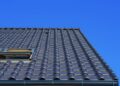

A building’s roof is its primary line of defense against severe weather, moisture intrusion, and environmental degradation. Despite its critical role in protecting physical assets and structural framing, the roofing system is often neglected until an active leak occurs. Relying solely on reactive repairs is one of the most expensive ways to manage property infrastructure. Minor surface defects, unsealed flashing transitions, and small membrane punctures can quietly develop into widespread structural decay long before water drips through a ceiling. Conducting regular, systematic evaluations allows property owners to identify hidden vulnerabilities early, control maintenance overhead, extend material lifespans, and protect overall property value.
The True Cost of Deferred Roof Maintenance
Delaying roof oversight to save on short-term maintenance expenses almost always leads to significantly higher costs down the road. Roofing failures rarely happen instantaneously; instead, they stem from gradual deterioration that compounds over time.
Secondary Structural Damage
When a roof membrane or shingle course loses its watertight seal, water seeps into the underlying layers. Wood sheathing, ceiling joists, and structural rafters absorb this moisture, leading to dry rot, warping, and loss of load-bearing capacity. Repairing saturated roof decking and rotted structural framing requires extensive labor and material costs that far exceed the price of fixing a minor surface defect.
Interior Property and Asset Loss
Uncontrolled water intrusion does not stop at the roof deck. Moisture travels through ceiling cavities, staining drywall, ruining paint, damaging electrical wiring, and destroying interior furnishings or commercial inventory. For commercial property owners, unexpected interior leaks can force temporary operational downtime, resulting in lost revenue alongside physical repair expenses.
Insulation Contamination and Energy Loss
Roof insulation loses its thermal resistance (R-value) when exposed to moisture. Wet fiberglass batt or rigid board insulation compacts and traps water, eliminating its ability to slow heat transfer. Property owners with compromised roof insulation experience higher heating and cooling bills as HVAC systems work harder to offset thermal loss. Replacing saturated insulation during an emergency tear-off adds substantial expense to the restoration process.
How Early Detection Reduces Total Capital Expenditure
Proactive roof management shifts property maintenance from unpredictable emergency spending to controlled operational planning. Catching defects in their earliest stages keeps repair scopes localized and economical.
Identifying Hidden Flashing Failures
Flashing materials line the most vulnerable intersections of a roof, including chimney bases, skylight frames, sidewall junctions, and vent stacks. Because metal flashing and chemical sealants experience continuous thermal expansion and contraction, seals naturally loosen or crack over time. Catching a loose counter-flashing during a routine evaluation requires a straightforward adjustment or sealant touch-up, preventing thousands of dollars in hidden wall cavity decay.
Preventing Mold and Air Quality Remediation
Persistent moisture trapped within roof assemblies creates an ideal environment for biological growth, including mold and mildew. Removing toxic mold from attic spaces and ceiling cavities requires specialized containment protocols, environmental testing, and certified remediation services. Catching minor roof leaks before moisture turns into a chronic environmental hazard eliminates the need for costly indoor air quality abatement.
Maximizing Manufacturer Warranty Coverage
Most commercial and residential roofing warranties contain specific clauses requiring regular upkeep and prompt mitigation of visible damage. If a premature failure occurs and the manufacturer determines that the issue worsened due to neglect, the warranty claim may be denied. Detailed inspection records provide concrete proof of prudent maintenance, ensuring warranty claims remain valid if material defects arise.
Comparing Reactive Repairs and Proactive Inspections
The financial advantages of structured evaluations become clear when comparing the costs of reactive management against proactive oversight.
| Financial Factor | Reactive Maintenance Model | Proactive Inspection Model |
| Primary Approach | Fix problems only after interior leaks appear | Identify and repair defects during routine checks |
| Scope of Work | Large-scale teardowns, deck replacement, interior restoration | Small localized patches, joint resealing, gutter clearing |
| Material Lifespan | Premature system failure (often shortened by 30–50%) | Reaches or exceeds full engineered service life |
| Budget Predictability | Unplanned, emergency financial strain | Planned, manageable operational expense |
| Secondary Damage Risks | High risk of mold growth, rotted rafters, ruined inventory | Minimal risk of interior moisture contamination |
| Property Resale Impact | Lowers valuation due to deferred maintenance history | Preserves equity and provides documentation for buyers |
Modern Inspection Technologies and Diagnostic Methods
Roofing evaluations have evolved significantly beyond simple visual walk-throughs. Modern diagnostic technology allows technicians to detect subsurface vulnerabilities without damaging the roof surface.
Aerial Drone Surveys and High-Definition Imaging
Physical access to steep or complex roof structures carries safety risks and can sometimes damage fragile clay, slate, or aged single-ply materials. Utilizing high-resolution aerial imaging allows for complete visual mapping of expansive roof decks, identifying missing shingles, cracked tiles, and displaced flashing from multiple angles safely and efficiently.
Infrared Thermal Imaging for Subsurface Moisture
Water retains heat differently than dry building components. Thermal imaging cameras detect subtle temperature differentials across a roof deck after sunset. As the roof cools, wet insulation retains daytime heat longer than dry insulation, appearing as bright thermal signatures on infrared monitors. This technology enables pinpoint accuracy when identifying trapped moisture, allowing property owners to replace only wet insulation sections rather than re-roofing entire buildings.
When evaluating multi-story commercial facilities or complex steep-slope residential structures, securing aprofessional roof inspection provides detailed photo documentation, thermal moisture mapping, and accurate structural assessments that protect building investments.
Extending Overall Roofing Service Life
Every roofing material carries an engineered lifespan, ranging from fifteen years for standard asphalt shingles to over fifty years for metal or tile systems. However, reaching these longevity targets requires regular maintenance.
Debris accumulation in valleys, clogged drainage scuppers, and unaddressed wind uplift degrade materials prematurely. For example, standing water left on a low-slope roof membrane accelerates chemical breakdown from ultraviolet radiation, causing premature seam separation. Keeping drainage pathways clear and re-securing loose fasteners during routine maintenance prevents localized degradation from spreading across the entire surface.
Regular evaluations also help property managers establish realistic capital replacement timelines. Rather than facing sudden, catastrophic failures, property owners can track material wear over several years, budgeting for eventual replacement well in advance.
Protecting Property Equity and Long-Term Value
A roof is a foundational structural asset that directly affects a property’s market valuation. Whether managing a commercial portfolio or maintaining a family residence, conducting routine inspections is a proven cost-containment strategy. Catching minor flashing gaps, sealing subtle membrane cracks, and identifying trapped moisture early eliminates expensive structural repairs, prevents interior property loss, and preserves thermal efficiency. Investing in routine, professional roof evaluations ensures long-term structural resilience and protects property equity for decades to come.