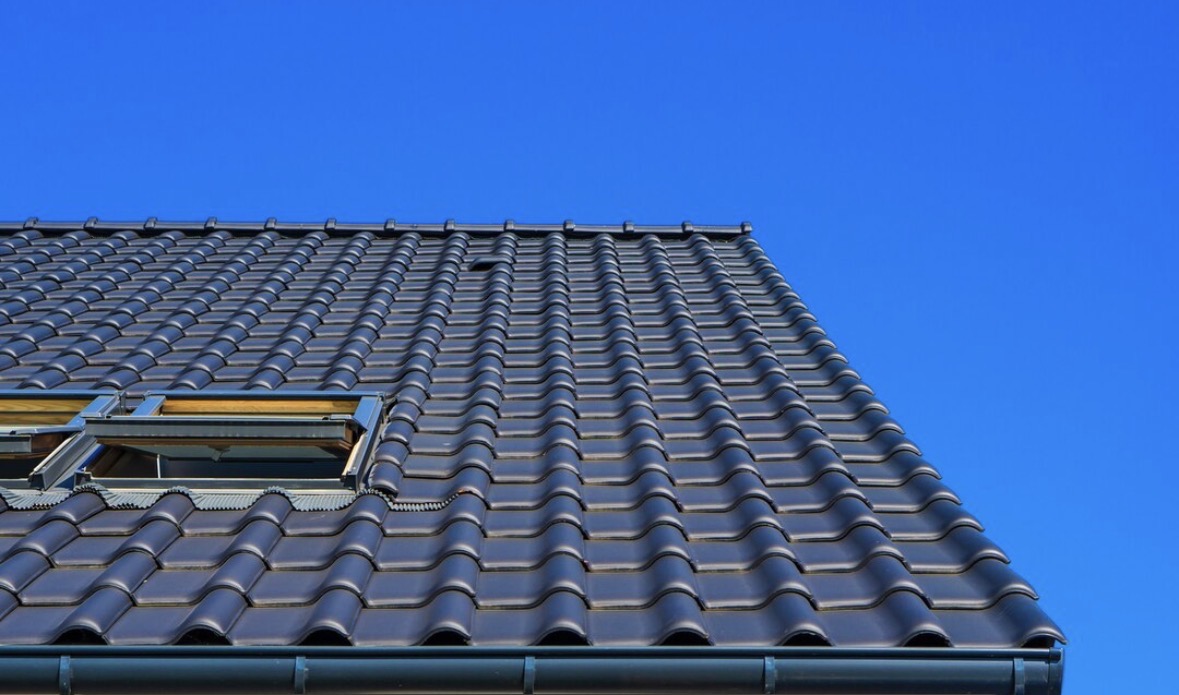
Slate roofing represents one of the most durable and visually striking architectural investments a property owner can make. Frequently referred to as a hundred-year roof, natural slate possesses exceptional fire resistance, longevity, and natural water repellency. However, the overall lifespan of a slate roof depends heavily on consistent inspection, knowledgeable handling, and timely maintenance. Because slate is a natural stone product with unique mineral properties, its care requirements differ substantially from asphalt shingles, metal panels, or synthetic tiles. Understanding the fundamentals of slate maintenance helps building owners preserve historical integrity, prevent structural moisture damage, and maximize the operational lifespan of the entire roofing assembly.
Understanding the Physical Nature of Slate Roofing
Slate is a fine-grained metamorphic rock derived from sedimentary shale deposits composed of clay or volcanic ash. Under intense geological heat and pressure, these minerals align into thin, parallel layers, giving natural slate its characteristic cleavage planes. This structural composition allows quarry technicians to split stone into thin, uniform tiles suitable for roofing.
Because natural stone originates from diverse geographical quarries, slate tiles vary considerably in mineral composition, density, and weathering characteristics. Slate is broadly categorized into two behavioral types: fading and unfading. Fading slates contain higher levels of iron carbonates, which react with atmospheric moisture to shift color gracefully over time, moving from deep unfaded hues to warm tones of brown, buff, or rust. Unfading slates maintain their original shades of green, gray, black, or purple for decades.
Understanding these physical differences helps property owners evaluate whether color shifts represent natural mineral weathering or physical decay.
| Slate Category | Primary Mineral Trait | Expected Weathering Behavior | Typical Lifespan Range |
| Hard Slate | High silicate content, low porosity | Minimal absorption, retains sharp edges, highly durable | 75 to 150+ years |
| Soft Slate | Higher calcium carbonate content | Absorbs moisture slowly, soft edges over time, faster wear | 50 to 90 years |
| Fading Slate | Iron carbonate inclusions | Undergoes natural color shifts when exposed to weather | Matches base hard/soft rating |
| Unfading Slate | Low iron reactivity | Retains original quarry color throughout service life | Matches base hard/soft rating |
Performing Regular Inspections Safely
Routine visual inspections form the foundation of effective slate preservation. Property owners should inspect slate roofs twice annually, typically in spring and autumn, as well as immediately following severe windstorms, hail events, or heavy snow accumulations.
Safety remains the paramount concern during any evaluation. Walking directly on slate tiles is extremely dangerous and almost guarantees stone breakage. The concentrated pressure of foot traffic easily cracks rigid tiles, creating new leak points. Consequently, inspections should be conducted from the ground using high-powered binoculars or from elevated ladders positioned carefully against sturdy structural eaves.
When evaluating the condition of a slate roof, look for specific visual indicators:
- Misaligned or Shifted Tiles: Slates that have slipped out of their original course often indicate fastener failure or corrosion of the original copper or galvanized nails.
- Cracked or Missing Pieces: Physical impact from falling tree branches or severe hail can snap stone tiles along their natural grain.
- Flaking or Delamination: Soft slates near the end of their service life often exhibit surface flaking, where mineral layers split apart due to freeze-thaw cycles.
- Rusted Flashing and Valley Linings: Metal flashings around chimneys, dormers, and valleys frequently wear out long before the slate tiles themselves.
Addressing Broken Tiles and Fastener Failures
When individual slates crack or slip, prompt intervention prevents water from reaching the underlying roof deck, roof felts, and interior rafters. Leaving a broken slate unaddressed allows wind-driven rain to bypass the overlapping tile courses, accelerating timber rot and interior plaster damage.
Replacing a damaged slate requires specialized tools and traditional techniques. A slate ripper, a long flat steel tool with hooked edges, is inserted beneath the damaged slate to cut or pull the old nails without disturbing adjacent tiles. Once the broken pieces are removed, a replacement slate matching the original thickness, color, and size is slotted into position.
Securing the replacement tile correctly is critical. Traditional repairs utilize copper nail-and-hook methods or metal slip straps (often called slate hooks) to hold the tile flat without over-tightening. Over-nailing a slate tile creates internal stress points that cause the stone to crack under thermal movement. For complex restoration work involving multiple courses or historic buildings, engaging specialists experienced in professionalSlate Roof Repair ensures that historical flashing details and proper headlap dimensions are maintained without causing collateral damage to surrounding stone courses.
Maintaining Metal Flashings and Roof Valleys
While high-grade slate tiles can endure for over a century, the metallic components that seal roof junctions typically have shorter operational lifespans. Valleys, chimney flashings, wall step flashings, and ridge caps are essential for channeling water away from intersection points.
Copper, lead-coated copper, and terne-coated stainless steel are the primary metals used alongside natural slate due to their longevity and corrosion resistance. However, over several decades, exposure to acidic rainwater, debris accumulation, and expansion stress can wear down metal valleys or compromise soldered seams.
Preventative maintenance for slate roof flashings involves keeping valleys free of accumulated leaves, twigs, and moss that hold moisture against metal surfaces. Inspecting sealant joints and ensuring counter-flashings remain firmly embedded in masonry mortar joints prevents subtle, slow-moving water leaks that might otherwise go undetected until structural damage occurs.
Managing Vegetation and Environmental Factors
Environmental surroundings play a major role in the preservation of slate roofs. Overhanging tree branches pose two distinct threats: physical impact from fallen limbs during high winds and persistent shade that prevents moisture from evaporating after rainfall.
Continuous dampness encourages the growth of moss, lichen, and algae across slate surfaces. While light moss growth may give historic structures an antique aesthetic, dense vegetation acts like a sponge, holding water against the stone. During winter months, this trapped moisture freezes and expands, widening microscopic fissures within the slate and causing surface spalling.
Property owners should trim back tree canopies to allow direct sunlight and airflow across the roof plane. If moss accumulation becomes heavy, it should be carefully removed using low-pressure rinsing and soft bristle brushes. High-pressure power washing should never be used on a slate roof, as intense water streams can shatter fragile tiles, strip surface layers, and drive water deep into the wall cavities below.
Preserving Longevity Through Knowledgeable Care
Maintaining a slate roof requires a long-term perspective focused on preservation rather than aggressive modernization. By prioritizing gentle inspection methods, addressing slipped or broken slates promptly with proper copper hardware, maintaining clean drainage valleys, and keeping overhanging vegetation under control, property owners can ensure their natural stone roof delivers exceptional protection and timeless beauty for generations to come.