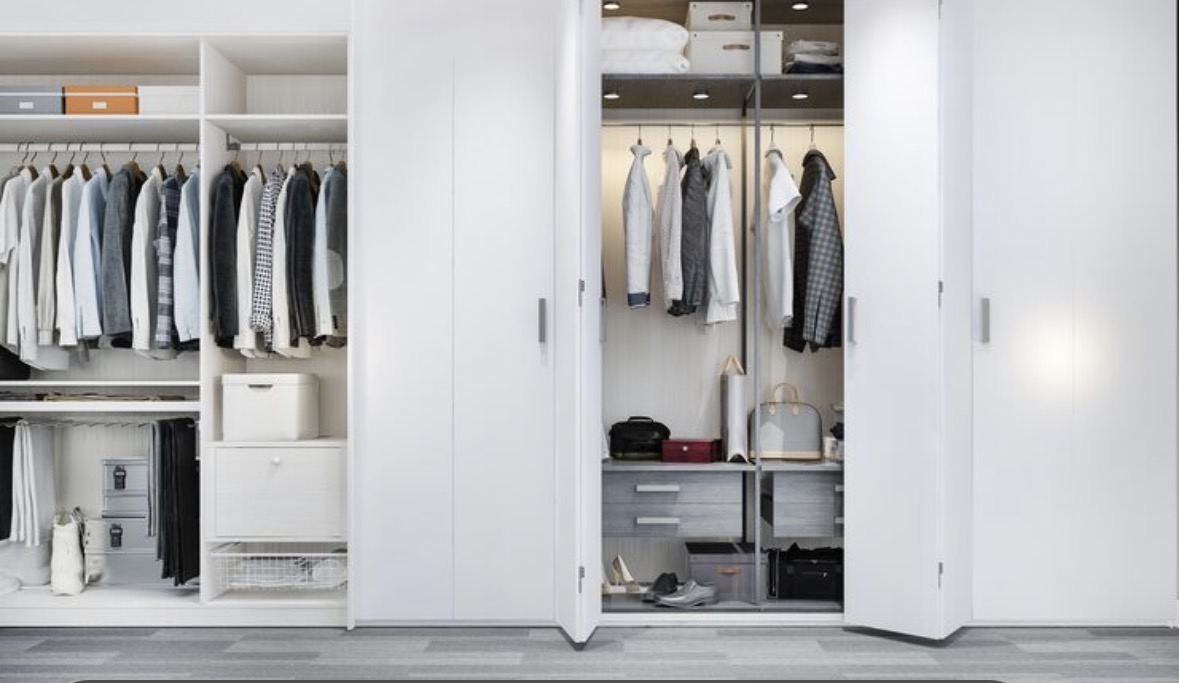
Sliding closet doors provide an efficient, space-saving solution for modern residential interiors, allowing easy access to storage without requiring the outward swing clearance of traditional hinged doors. However, because these systems rely on continuous mechanical interaction between overhead or floor-mounted tracks, roller assemblies, and guide channels, daily usage can cause hardware alignment issues over time. When a sliding closet door jumps off its track, sticks mid-glide, or scrapes against adjacent panels, forced operation often bends hardware, damages floor guides, and risks gouging interior finishes. Understanding the mechanical components of closet door hardware, diagnosing common track failures, and executing precise realignments ensures smooth, quiet operation while preserving household storage functionality.
The Anatomy and Mechanics of Sliding Closet Door Systems
Sliding closet doors operate using specialized structural hardware designed to support panel weight while maintaining vertical alignment. Identifying the specific sliding hardware system installed in a home is the first step in diagnosing operational issues.
| System Type | Structural Load Placement | Typical Hardware Assembly | Best Architectural Application |
| Top-Hung (Bypass) Systems | Overhead track mounted to the frame header carries the full weight of the doors. | Dual overhead tracks, curved roller brackets with nylon wheels, and floor guide fins. | Bedroom closets, hallway storage, and lightweight bypass wood or mirror panels. |
| Bottom-Rolling Systems | Heavy panels sit directly on floor-mounted tracks; top tracks serve only as alignment guides. | Raised bottom track rails, tandem metal or nylon roller wheels, and top guide channels. | Heavy solid wood doors, full-length mirrored bypass doors, and large wardrobe units. |
| Bifold Door Assemblies | Top track guides folding door leaves connected by continuous vertical hinges. | Top track pivot brackets, sliding wheel guides, bottom pivot floor plates, and center hinges. | Utility closets, laundry nooks, and narrow storage openings. |
In top-hung bypass systems, which represent the most common residential configuration, two or more door panels sit on parallel tracks offset from one another. Each panel features two offset roller brackets fastened near the top corners. These nylon or steel wheels roll along concave overhead channels. A plastic or metal floor guide mounted in the center of the threshold keeps the panels separated so they glide past one another without rubbing.
Primary Causes of Sliding Closet Door Derailment
Sliding closet doors rarely fall off their tracks without warning. Derailment is typically the result of gradual mechanical wear, loose fasteners, or physical obstructions accumulating inside track channels.
Debris Accumulation and Obstructions
Because closet doorways experience regular foot traffic and proximity to clothing fibers, top channels and bottom floor guides easily collect dust, carpet fibers, loose threads, and small household items. As roller wheels pass over debris, the sudden lift forces the wheel flange out of the track groove, causing the door to derail.
Loose Mounting Screws and Bracket Drift
Continuous opening and closing create minor physical vibrations that gradually loosen wood screws holding top roller brackets to the door slab. As bracket screws back out, the panel sags on one side, shifting the weight distribution across remaining rollers. This tilt misaligns the wheel angle relative to the overhead track, leading to frequent off-track incidents.
Damaged or Flattened Roller Wheels
Over years of daily service, nylon roller wheels become brittle, crack, or develop flat spots from sitting stationary in humid environments. Worn wheel bearings can freeze completely, causing the wheel to drag rather than roll. This sliding friction wears down wheel edges, reducing the flange height that keeps the roller locked inside the metal track profile.
Frame Shifting and Out-of-Plumb Jambs
Natural foundation settling or seasonal humidity shifts can warp timber door frames. When the surrounding frame moves out of square, the distance between the top track header and the floor threshold varies across the opening width. In locations where the clearance expands, roller wheels can lift out of the track during normal operation.
Step-by-Step Guide to Getting Closet Doors Back on Track
Realigning and repairing a derailed sliding closet door requires systematic assessment, basic hand tools, and careful handling of heavy door panels.
| Repair Phase | Necessary Tools & Materials | Core Objective |
| 1. Site Clearing & Panel Removal | Screwdriver, safety gloves, helper for lifting. | Safely lift and disengage door panels from tracks without damaging finishes. |
| 2. Track & Hardware Cleaning | Vacuum with narrow nozzle, stiff brush, silicone spray. | Strip old grease, lint, and grit from track channels and wheel bearings. |
| 3. Hardware Inspection & Tuning | Replacement roller brackets, pliers, tightening driver. | Replace cracked nylon wheels and tighten loose mounting hardware. |
| 4. Panel Reinstallation & Leveling | Screwdriver, level, tape measure. | Hang panels on tracks, set floor guides, and calibrate roller height. |
Step 1: Safe Panel Extraction
Attempting to force a derailed panel back into place while suspended can bend aluminum tracks or snap roller brackets. For top-hung bypass doors, lift the inner panel upward from both sides to clear the bottom floor guide, swing the bottom of the panel outward toward the room, and tilt the panel down to release top rollers from the header track. Repeat this process for the outer panel and place both doors flat on a clean, padded work area.
Step 2: Track Cleaning and Rail Straightening
With the opening clear, inspect the metal overhead track for debris, dried lubricant, or structural bends. Use a vacuum with a crevice attachment to remove loose dust, followed by wiping the channel with a damp rag. If aluminum track edges show minor dents or crushed profiles from past derailments, gently reshape the channel using needle-nose pliers or a wood block until the channel width is uniform throughout its length.
Step 3: Roller Inspection and Replacement
Examine the roller assemblies attached to the top rear face of each door panel. Spin each wheel by hand to check for smooth bearing rotation, missing plastic edges, or bent steel mounting arms. If wheels are cracked or wobbly, unscrew the bracket assembly and install exact matching replacement hardware. Ensure that offset brackets are installed on the correct panel face so the inner and outer doors maintain proper clearance when passing.
Step 4: Reinstallation and Vertical Alignment
Rehang the outer door panel first by inserting top rollers into the rear track channel at a slight angle, lowering the panel until the wheels seat securely into the groove. Reinstall the inner panel into the front track. Next, position the floor guide at the bottom center of the opening, ensuring the guide fins fit cleanly between the two panels without binding.
Step 5: Adjusting Panel Plumbness and Height
Most top-hung roller brackets feature vertical adjustment slots or eccentric dial screws. Turn these adjustment screws to raise or lower individual corners until the vertical edge of each door panel aligns flush with the side jamb when fully closed. Proper adjustment eliminates lower gaps where light or dust can enter and ensures smooth latching.
When homeowners face persistent derailment issues, stubborn rolling resistance, or bent track channels, sourcing professionalsliding closet door repair restores correct panel alignment, replaces worn mounting hardware, and ensures long-term operational performance.
Preventive Maintenance Practices for Smooth Operation
Routine maintenance extends the operational lifespan of closet door hardware and prevents unexpected off-track incidents:
- Keep Track Channels Clean: Vacuum top and bottom track channels every few months to remove lint, hair, and dust before debris accumulates inside wheel bearings.
- Use Dry Silicone Lubricants: Spray a light coat of dry silicone lubricant onto track grooves and roller wheel axles bi-annually. Avoid heavy lithium grease or oil-based lubricants, which attract dust and create abrasive sludge inside the track.
- Inspect Floor Guides Periodically: Ensure bottom plastic floor guides remain securely fastened to the floor and free of cracks. A missing floor guide allows panels to swing freely, causing top rollers to twist and jump off track.
- Handle Doors Gently: Avoid slamming closet doors shut or pulling them outward by the handles, as side-angle pressure places lateral strain on top roller brackets.
By addressing mechanical wear early, keeping guide channels clean, and calibrating roller height periodically, property owners can keep sliding closet doors operating smoothly, quietly, and reliably.